Cloak and Dagger
Say Something. Do Something {else}. Feel Something {else}. Think Something {else}. Be Something {else}.
Appraisal season is here in Bangalore. The cloaks are bigger than ever. Daggers are being prepared to be dealt on the review meeting room’s table. Impacts are being discussed. Thank god I don’t have to do it yet. The clockwork of reviews is cumbersome at best, mind numbing at its normal. Worst is whatever.
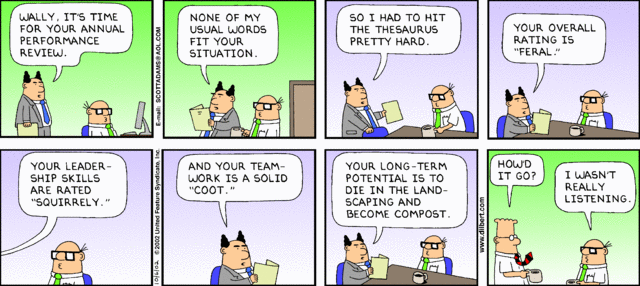
Performance reviews are an essential part of running a well oiled machine. Maybe. But there has to be a better way of evaluating people’s contributions than making them write essays once every year. Anyway this piece isn’t about this topic. Hope all of you were outstanding.
This is more about the general type of cloaks worn around in workplaces. I had made a note of these some time ago. Feel free to add more in comments.
“I’m Just Playing Devil’s Advocate” Sabotage Shroud
This elite cloak is usually worn by someone who has fundamentally opposed an idea from its inception but knows direct confrontation would be politically unwise.
“I’m fully supportive of the direction, but just to play devil’s advocate for a moment—how would this work if [describes scenario so unlikely it would require simultaneous solar flares and alien invasion]?”
The true artistry is in maintaining an expression of innocent intellectual curiosity while systematically undermining confidence in the proposal.
“I’m Just Thinking Out Loud” Responsibility Evasion Shield
This cloak allows one to propose potentially catastrophic ideas while maintaining plausible deniability:
“I’m just thinking out loud here, but what if we pivoted the entire product strategy a week before launch?”
If the idea is well-received: “I’ve been considering this approach for some time.” If met with horror: “As I said, just thinking out loud! Obviously not a serious proposal.”
“Happy to Help However I Can” Selective Availability Cloak
This is the passive-aggressive masterpiece worn primarily in cross-functional contexts:
“I’m happy to help however I can, just let me know what you need!”
Followed by being mysteriously unavailable for any actual requests, buried in “priorities,” or offering help so minimal it creates more work than it alleviates.
The advanced version includes detailed explanations of how extraordinarily busy one is while simultaneously maintaining an encyclopaedic knowledge of office gossip that somehow doesn’t qualify as a distraction from said busyness.
“Just Wanted to Loop You In” Blame Distribution System
This cloak appears in the form of an email sent to seventeen people at 4:58 PM on Friday:
“Hi team, just wanted to loop everyone in on a situation that’s developing with the client/platform/project…”
Translation: Something is about to go wrong, and I need witnesses to confirm I warned everyone.
The true artistry lies in the careful construction of an email that documents concern without actually requesting specific action from anyone, creating a quantum state of both raising an alarm and avoiding responsibility for addressing it.
Recipients deploy the complementary “Acknowledged, Thanks for Flagging” deflection cloak in response, creating a paper trail of awareness that will later allow everyone to express appropriate levels of concern while avoiding accountability.
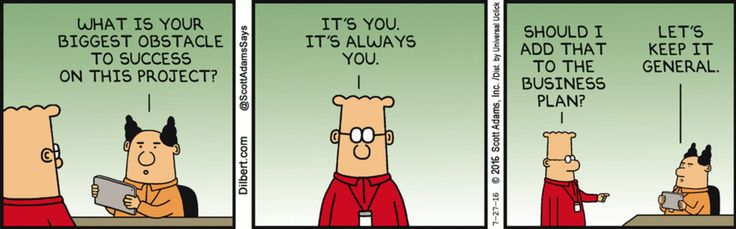
“Users said it in an interview” Brahmastra Cloak
This sophisticated garment is worn by designers and product managers who have mastered the art of selective hearing during user research:
“We conducted extensive user interviews and the design directly responds to what users told us they needed.”
What remains conveniently unmentioned is that out of 20 hours of interviews, they’ve extracted the three sentences that align with what they already wanted to build, while elegantly sidestepping the overwhelming evidence pointing elsewhere.
Slides feature artfully cropped quotes stripped of critical context: “I guess that could work…” becomes “…that could work!” When research documents are requested, they’re “still being processed” or “too detailed to be useful at this stage.”
When confronted with contradicting user statements, practitioners deploy the advanced technique: “We have to look beyond what users say to what they actually need.” This transforms ignorance into visionary thinking, positioning the designer as the enlightened interpreter of user desires too complex for users themselves to articulate.
The expert-level version includes conducting interviews with leading questions specifically designed to elicit responses that validate predetermined solutions, then presenting these as objective discoveries rather than manufactured confirmations.
Add more you’ve seen in comments
Workplaces are just elaborate costume parties where everyone’s dressed as the most authentic version of someone they’re absolutely not. Cloaks are mandatory attire, daggers optional—but highly recommended. Appraisal season is the Met Gala of corporate pretense, where the fiercest cloaks earn you points, and sincerity earns you puzzled looks and whispered warnings.
But perhaps someday we’ll have a workplace where we don’t have to “think out loud,” “loop people in,” or invoke user interviews like sacred texts. Until then:
honesty might be the best policy, but plausible deniability will always get you promoted.
May your cloak be subtle, your daggers sharp, and your reviews “consistently exceed expectations.”
General books cloaks and daggers fantasy fiction office Performance review psychology short-story writing year end

SST View All →
A graduate from BITS Pilani, class of 2019, I am currently working as a Product Manager at Flipkart. I like to write about things that get stuck in my head. By writing I make sure everyone knows what absurd thoughts I have :P Thanks for visiting.
 Sid's Blog
This is freaking so relatable.
LikeLiked by 1 person